
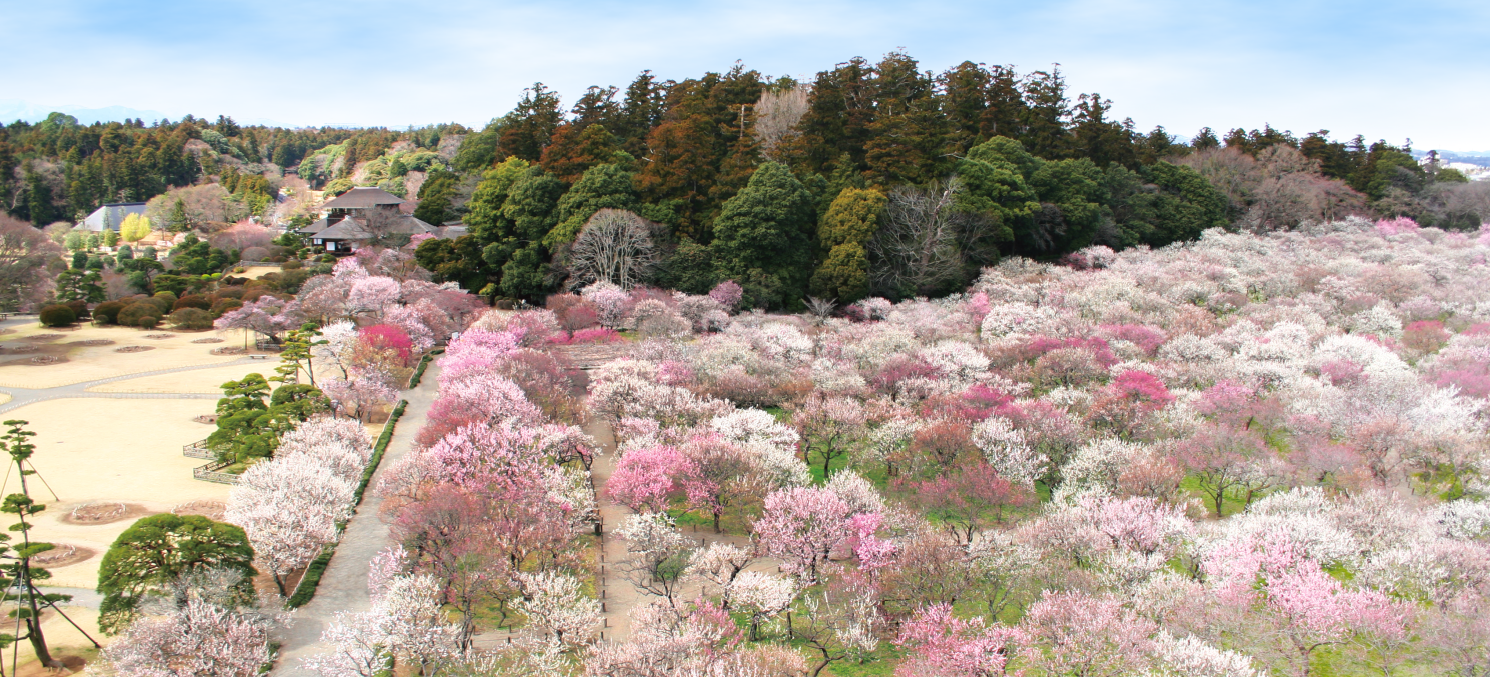
Plum Blossom (梅花易数,Meihua Yishu) is one of the most popular methods for casting using Zhou Yi. Here is a 10 minute quick read on how to do it.
The Original Story
The name comes from a famous legend. One day, Shao Yong (邵雍) was admiring plum blossoms when he saw two sparrows fighting on a branch and falling to the ground. He found this “omen” strange and cast a divination based on it.
He predicted that the next day, a neighbor’s daughter would climb the tree to pick flowers, get scared by the gardener, fall, and hurt her thigh. It happened exactly as predicted. Because he derived the hexagram from such a unique, natural snapshot (sparrows fighting), this method became known as “Plum Blossom Divination”.
Side note: the historical origin of this method and the authenticity of this story is debatable, but most people in China (at least central China) are familiar with it. I personally doubt Shao Yong was the creator but for the sake of this post, it’s not relevant.

How to Cast a Hexagram (The Method)
Unlike the coin method, you don’t build lines one by one. You generate the whole picture using numbers.
1. Get your Numbers You need two numbers. These can come from anywhere—time, a car license plate, or just numbers that pop into your head. People often get confused about where to get these numbers, but Plum Blossom emphasizes a concept called “外应” (External Induction). There is no strict process you must force; as long as you have a connection or “induction” with the numbers, they work;
- Number 1 determines the Upper Trigram.
- Number 2 determines the Lower Trigram.
If you only sense one large number (e.g., 52), you can simply split it: take the tens digit (5) for the Upper Trigram and the ones digit (2) for the Lower Trigram.
2. Calculate the Trigrams The I Ching 64 hexagrams are essentially an 8×8 grid composed of 8 initial trigrams. Take your numbers and divide them by 8. The remainder tells you the Trigram (if the number is less than 8, just use the number; if the remainder is 0, use 8).
- 1: Heaven (Qian)
- 2: Lake (Dui)
- 3: Fire (Li)
- 4: Thunder (Zhen)
- 5: Wind (Xun)
- 6: Water (Kan)
- 7: Mountain (Gen)
- 8: Earth (Kun)
Combine the Upper and Lower to get your Original/Primary Hexagram (Ben Gua).
3. Find the Moving Line (The Change) Take (Number 1 + Number 2) and divide by 6. The remainder is your moving line position (1 through 6). If the remainder is 0, it represents the 6th line. Just for new learners: remember, count from bottom to top, so line 6 is the top line.
4. Get the Changed Hexagram Flip the Yin/Yang nature of that specific moving line to get your Changed Hexagram (Bian Gua). Basically if the line was solid (yang) change it to broken (yin).
How to Interpret (The Framework)
In Plum Blossom, we look at a narrative arc. I suggest focusing on the origianl Zhouyi text, rather than the philosophical commentary (Tuan or Xiang) for this method, as their reference value for divination is limited.
You can see more discussions here.
Below is a simplified overview for how to read the results:
- Original/Primary Hexagram (Ben Gua): This is the snapshot of the current situation—the status of things before any change occurs. You mainly read the hexagram text.
- The Moving Line: This represents the “key to the change” or the process node. You read the line text.
- Mutual Hexagram (Hu Gua): This represents the process of change, or the “middle response” of the matter. If you are new to Zhou Yi, don’t worry about Mutual Hexagram.
- Changed Hexagram (Bian Gua): This suggests the final outcome or result. You mainly read the hexagram text.
So from a practical stand point, Plum Blossom is much easier to use. I personally find this method very useful when I need a quick answer and don’t have my coins with me. Because there is only 1 moving line, it really help me to look at it as the specific pivot point that influences the outcome.
Leave a Reply